
Articles from May 2026

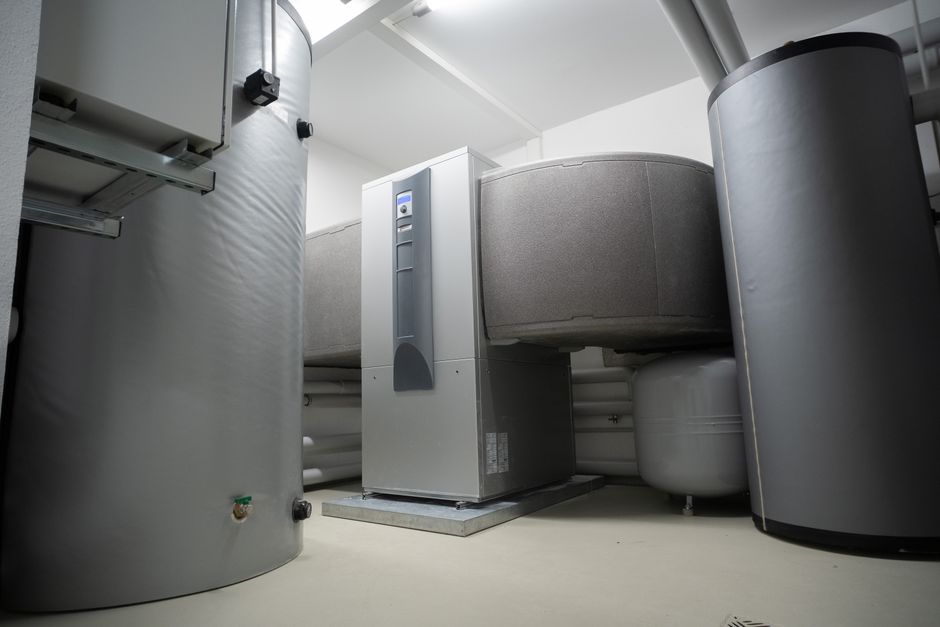
Rippenrohrheizkörper in een industriële omgeving voor optimale verwarming.

Effiziente Rippenrohrheizkörper für industrielle Wärmeprozesse

Innovative Lösungen für industrielle Heizanforderungen

In der modernen Industrie sind zuverlässige und effiziente Heizsysteme von zentraler Bedeutung, um Produktionsprozesse optimal zu gestalten und Energiekosten zu minimieren. Besonders Rippenrohrheizkörper für industrielle Heizung haben sich hierbei als bewährte Komponenten etabliert. Diese Heizkörper zeichnen sich durch ihre robuste Bauweise und ihre hohe Wärmeübertragungsleistung aus, wodurch sie ideal für verschiedenste industrielle Anwendungen geeignet sind.

Ob in der Kunststoffverarbeitung, beim Recycling oder in der allgemeinen Prozesswärme – die Anforderungen an die Heiztechnik sind vielfältig. Zuverlässige Temperaturregelung und präzise Temperaturmessung sind dabei unverzichtbar, um konstante Produktionsbedingungen zu gewährleisten. Rippenrohrheizkörper bieten hierbei nicht nur eine effektive Wärmeabgabe, sondern auch eine lange Lebensdauer und einfache Integration in bestehende Systeme.

Vielseitigkeit und technische Merkmale der Rippenrohrheizkörper

Rippenrohrheizkörper überzeugen durch eine Kombination aus mechanischer Stabilität und hoher thermischer Effizienz. Sie bestehen aus Rohren, die mit Rippen versehen sind, um die Oberfläche zu vergrößern und somit die Wärmeübertragung zu optimieren. Diese Bauweise macht sie besonders geeignet für Anwendungen mit hohen Wärmeleistungen und großen Volumenströmen.

Darüber hinaus finden sich in industriellen Anlagen häufig weitere Komponenten wie Temperaturregelapparaturen, isolierende Hülsen und flexible Buisvorming Radiatoren, die zusammen mit den Rippenrohrheizkörpern ein umfassendes System zur Prozesswärme bieten. Die Integration dieser Elemente ermöglicht eine präzise Steuerung der Temperatur und trägt zur Energieeinsparung bei.

Anwendungen in der Kunststoffindustrie und darüber hinaus

Ein besonderer Schwerpunkt liegt auf der Anwendung von Heizsystemen in der Kunststoffindustrie. Hier sind Maschinen für das Recycling von Kunststoff sowie Gummiextrusion mit Frenztechnik-Anlagen zentrale Einsatzgebiete. Die Kombination aus hochwertiger Heiztechnik und ausgefeilter Steuerungstechnik gewährleistet eine gleichmäßige Erwärmung und effiziente Prozessführung.

Typische Produkte und Dienstleistungen von Frenztechnik umfassen neben Rippenrohrheizkörpern auch temperaturgeregelte verwarmingsplinten, verwarmingspatronen, mondstukverwarmingsbanden, schroefverwarmers sowie gewikkelde buispatronen. Diese breite Produktpalette erlaubt es, maßgeschneiderte Lösungen für unterschiedlichste industrielle Anforderungen zu realisieren.

Technische Vorteile und Einsatzbereiche im Überblick

  • Hohe Wärmeübertragungsleistung durch vergrößerte Oberfläche
  • Robuste Bauweise und lange Lebensdauer
  • Flexible Einsetzbarkeit in verschiedenen Industriezweigen
  • Integration mit Temperaturregelapparatur und Temperaturmessung
  • Kompatibilität mit Isolationshülsen und anderen Wärmeleitkomponenten
  • Einsatz in Gummiextrusion mit Frenztechnik-Anlagen für präzise Temperaturführung
  • Optimale Kombination mit weiteren verwarmingselementen und verwarmingsplinten

Effizienzsteigerung durch moderne Temperaturregelung und -messung

Die Effizienz industrieller Heizsysteme hängt maßgeblich von der Fähigkeit ab, Temperaturen exakt zu regeln und zu messen. Moderne temperatuurregelaar und temperaturregelapparatuur ermöglichen eine adaptive Steuerung, die sich dynamisch an Prozessanforderungen anpasst. Dies führt zu einer Reduzierung des Energieverbrauchs und erhöht gleichzeitig die Prozesssicherheit.

Zusätzlich sorgen innovative temperaturmeting-Systeme für eine kontinuierliche Überwachung der Heizprozesse. In Kombination mit isolatiehuls und der optimalen Konstruktion der pijpleidingconstructie wird eine minimale Wärmeverlustrate erreicht und somit die Gesamtenergieeffizienz gesteigert.

Rippenrohrheizkörper als integraler Bestandteil moderner Industrieanlagen

Die Vielseitigkeit der Rippenrohrheizkörper zeigt sich in ihrer Einbindung in komplexe Systeme, die neben der Wärmeversorgung auch Kühlfunktionen kombinieren können, wie es bei einer verwarming-koelingcombinatie der Fall ist. So können Produktionsanlagen flexibel und effizient betrieben werden, was gerade in sensiblen Prozessen einen entscheidenden Vorteil darstellt.

Mit der umfassenden Expertise von Frenztechnik, die alle Dienstleistungen, Produkte und Arbeiten rund um Heiz- und Kühltechnik abdeckt, profitieren Industrieunternehmen von maßgeschneiderten Lösungen, die exakt auf ihre Bedürfnisse abgestimmt sind. Von der Planung über die Installation bis hin zur Wartung – der Service umfasst das gesamte Spektrum moderner industrieller Wärmeprozesslösungen.

Wärmeprozesse von morgen mit bewährter Technik gestalten

Die Entwicklung und Anwendung effizienter Rippenrohrheizkörper ist ein bedeutender Schritt hin zu nachhaltigen und wirtschaftlichen Industrieprozessen. Durch die Kombination aus technischer Innovation, präziser Steuerung und robustem Design bieten diese Heizkörper eine zukunftssichere Lösung für verschiedenste industrielle Anforderungen. Unternehmen, die auf bewährte und zugleich flexible Heizsysteme setzen, sichern sich langfristig Wettbewerbsvorteile und tragen aktiv zur Ressourcenschonung bei.

Designing Effective Dashboards for HR Analytics

Understanding the Role of HR Analytics Dashboards

In today’s data-driven workplace, HR professionals require intuitive and insightful tools to manage employee information effectively. Designing effective dashboards for HR analytics is essential to transform complex data into actionable insights. These dashboards act as centralized platforms to monitor key human resource metrics such as employee engagement, turnover rates, and compensation trends. One notable example is the MELP dashboard, which integrates various HR functions seamlessly and supports decision-making by presenting real-time data in a user-friendly interface.

Key Components of an Effective HR Analytics Dashboard

Creating a dashboard that truly benefits HR teams involves including elements that cover the broad spectrum of human resource responsibilities. Essential features include:

  • Employee Engagement Metrics: Tracking participation in surveys, feedback scores, and sentiment analysis to assess workforce morale.
  • Employee Benefits Management: Visualizing the uptake and utilization of personalised benefits, corporate gift cards, and expense reimbursement programs.
  • Internal Communication Analytics: Measuring effectiveness through engagement rates in newsletters, intranet usage, and AI intranet chatbot interactions.
  • Employee Recognition and Rewards: Monitoring motivation and rewards initiatives that contribute to retention and satisfaction.
  • AI HR Automation Integration: Incorporating automated tools and chatbots that streamline routine HR queries and processes.
  • Workforce Demographics: Representing data on multilingual workforce platforms to support diversity and inclusion strategies.

Design Principles for Usability and Accessibility

For HR dashboards to be effective, they must be designed with clarity and ease of use in mind. Key principles include:

  • Simplicity: Avoid clutter by focusing on the most critical metrics relevant to HR goals.
  • Customizability: Allow HR professionals to personalize views based on their specific needs, such as salary calculators or turnover reduction statistics.
  • Visual Hierarchy: Use charts, graphs, and color coding to highlight trends in employee retention and motivation quickly.
  • Real-time Updates: Ensure the dashboard reflects the latest data to enable timely decisions.
  • Accessibility: Design for diverse users, including support for multilingual interfaces and mobile device compatibility.

Enhancing HR Outcomes Through Data Integration

Integrating multiple data sources enhances the comprehensiveness of HR dashboards. Combining employee engagement platforms, AI HR automation tools, and salary calculators enables a holistic view of workforce dynamics. This integration supports strategies for employee turnover reduction by identifying patterns early, enabling targeted interventions. Additionally, linking expense reimbursement and corporate gift card data helps optimize the management of employee benefits, ensuring resources are allocated effectively to boost motivation and retention.

Driving Strategic HR Decisions with Analytics

Effective dashboards empower HR leaders to move beyond administrative tasks towards strategic workforce planning. By analyzing trends in employee recognition programs and internal communication effectiveness, HR teams can refine initiatives that foster a positive workplace culture. Furthermore, data-driven insights from AI intranet chatbots and multilingual workforce platforms enable tailored communication strategies that resonate with diverse employee groups, enhancing engagement and productivity.

Future-Proofing HR Dashboards

As HR technology evolves, dashboards must adapt to incorporate emerging tools and data sources. Integrating AI-driven analytics and expanding support for personalised benefits will ensure dashboards remain relevant and valuable. Embracing continuous improvement in design and functionality will help organizations maintain a competitive edge by leveraging HR analytics to attract, retain, and motivate talent effectively.

Een team dat samenwerkt met behulp van geavanceerde HR-tools voor hogere medewerker betrokkenheid en tevredenheid.

Maximizing Employee Engagement with Advanced HR Tools

In today’s competitive business environment, maximizing employee engagement is essential for fostering a motivated and productive workforce. Advanced HR tools have transformed traditional human resource management by introducing innovative solutions that streamline processes and enhance employee satisfaction. One such innovation is the MELP dashboard, a comprehensive employee engagement platform that integrates various HR functions into a single, user-friendly interface. This dashboard provides real-time insights into employee sentiment, performance, and participation, enabling HR professionals to tailor strategies that boost morale and retention effectively.

Integrating Personalised Benefits for Greater Impact

Employee benefits are no longer one-size-fits-all. To truly engage a diverse workforce, personalised benefits are becoming a cornerstone of successful HR strategies. These benefits can range from flexible working hours to customized health plans and wellness programs. By leveraging advanced HR tools, companies can analyze employee preferences and needs to design benefit packages that resonate on an individual level, increasing motivation and loyalty.

  • Flexible working arrangements
  • Targeted wellness initiatives
  • Tailored professional development opportunities
  • Corporate gift cards and incentives

Enhancing Internal Communication and Recognition

Effective internal communication is a critical driver of employee engagement. Modern platforms facilitate seamless interaction across departments and locations, ensuring that employees feel connected and informed. Additionally, employee recognition programs have evolved with technology. Incorporating modern employee recognition into daily operations allows organizations to celebrate achievements continuously and publicly, fostering a culture of appreciation and motivation. This approach not only boosts morale but also strengthens employee retention.

Leveraging AI Automation and Support Tools

The integration of AI HR automation and AI intranet chatbot technologies is revolutionizing how HR departments support their employees. These tools help automate routine tasks such as expense reimbursement and salary calculations, freeing HR professionals to focus on strategic initiatives. Furthermore, AI-powered chatbots provide instant support to employees, answering queries related to benefits, policies, and corporate procedures, which enhances the employee experience and reduces administrative burdens.

  • Automated expense reimbursement processes
  • Real-time salary calculator tools
  • 24/7 AI intranet chatbot support
  • Streamlined HR workflows

Addressing the Needs of a Multilingual Workforce

As organizations expand globally, catering to a multilingual workforce has become imperative. Advanced HR platforms now incorporate multilingual support, ensuring that all employees receive clear communication and equal access to HR resources regardless of language barriers. This inclusivity promotes a sense of belonging and respect, which are fundamental to sustained engagement and reducing employee turnover.

Driving Motivation and Retention Through Rewards

Motivation and rewards remain key pillars in maintaining a committed workforce. HR tools that integrate motivation and rewards features enable companies to design effective incentive programs, including performance-based bonuses and recognition awards. Corporate gift cards and other tangible rewards can be seamlessly managed through these platforms, creating a transparent and fair system that encourages continued excellence and reduces employee turnover.

Unlocking the Future of Employee Engagement

Advanced HR tools are not just about automation—they represent a strategic shift towards creating an engaging, supportive, and personalized workplace. By embracing these technologies, companies can enhance internal communication, offer tailored benefits, and implement effective recognition programs that drive employee satisfaction and retention. As workforce expectations continue to evolve, leveraging platforms like the MELP dashboard and incorporating modern employee recognition will be essential for organizations aiming to stay ahead in talent management and employee engagement.

UI/UX Design Principles for Fintech Solutions

Understanding the Importance of UI/UX in Fintech

The financial technology sector is rapidly evolving, with users demanding seamless, secure, and intuitive digital experiences. Effective UI/UX design plays a pivotal role in meeting these expectations, bridging the gap between complex financial services and user-friendly interfaces. Organizations focusing on UI/UX design for fintech must prioritize clarity, accessibility, and trustworthiness to deliver solutions that not only look appealing but also foster user confidence and engagement.

Key Principles of UI/UX Design for Fintech

Designing fintech solutions requires adherence to several core principles that address the unique challenges of financial applications. These principles ensure that users can navigate and utilize services efficiently while feeling secure about their data and transactions.

  • Simplicity and Clarity: Present financial information in a straightforward manner, avoiding jargon and unnecessary complexity. Clean layouts and intuitive navigation reduce cognitive load and improve user satisfaction.
  • Security and Transparency: Incorporate visible security cues and clear explanations of data usage and transaction processes. Users must feel assured that their sensitive information is protected.
  • Consistency: Maintain uniformity in design elements such as buttons, colors, and typography. Consistency promotes familiarity, which is crucial for users handling complex financial tasks.
  • Accessibility: Design for inclusivity by ensuring compatibility with assistive technologies and adhering to accessibility standards. This broadens the user base and improves usability for all.
  • Responsive Design: Optimize interfaces for various devices, from desktops to smartphones, ensuring a seamless experience regardless of screen size.

Integrating Advanced Technologies in Fintech UI/UX

Modern fintech solutions increasingly incorporate advanced technologies to enhance functionality and user experience. Custom SaaS UI/UX Design, Fintech Development, App Development, Blockchain Development, and AI Development are key areas where technology meets design.

  • Artificial Intelligence (AI): AI can personalize user experiences by analyzing behaviors and preferences, enabling smart recommendations and predictive analytics within the interface.
  • Blockchain Development: Transparent and immutable blockchain technology can be reflected in UI elements that demonstrate transaction integrity and build user trust.
  • Custom SaaS UI/UX Design: Tailored SaaS platforms ensure the design aligns perfectly with specific fintech workflows and business models, enhancing operational efficiency.
  • App Development: Mobile-first design is critical for fintech apps, focusing on quick access, minimal input, and real-time notifications to keep users informed and engaged.

Enhancing User Trust and Engagement

Trust is paramount in fintech, where users entrust platforms with sensitive financial data. UI/UX strategies to enhance trust include:

  1. Clear Onboarding: Guide users through initial setup with step-by-step instructions, reducing friction and uncertainty.
  2. Feedback Mechanisms: Provide immediate and meaningful feedback for user actions, such as confirmation messages after transactions.
  3. Visual Hierarchy: Use color, size, and placement strategically to highlight critical information and action points.
  4. Error Prevention and Recovery: Design forms and processes to minimize errors and offer clear solutions when issues arise.

Future Trends in Fintech UI/UX Design

The future of fintech UI/UX design will be shaped by emerging trends that focus on even greater personalization, automation, and interactivity. Voice interfaces, biometric authentication, and augmented reality are becoming more prevalent, offering new ways for users to interact with financial services. Additionally, the integration of AI-driven chatbots and virtual assistants will provide real-time support and improve customer service.

Designing for a Financially Empowered User

Ultimately, successful UI/UX design in fintech empowers users to take control of their financial lives with confidence and ease. By adhering to foundational design principles and embracing technological advancements, fintech solutions can deliver outstanding experiences that foster loyalty and drive innovation in the financial sector.