
Articles from May 9, 2026

Designing Effective Dashboards for HR Analytics

Understanding the Role of HR Analytics Dashboards

In today’s data-driven workplace, HR professionals require intuitive and insightful tools to manage employee information effectively. Designing effective dashboards for HR analytics is essential to transform complex data into actionable insights. These dashboards act as centralized platforms to monitor key human resource metrics such as employee engagement, turnover rates, and compensation trends. One notable example is the MELP dashboard, which integrates various HR functions seamlessly and supports decision-making by presenting real-time data in a user-friendly interface.

Key Components of an Effective HR Analytics Dashboard

Creating a dashboard that truly benefits HR teams involves including elements that cover the broad spectrum of human resource responsibilities. Essential features include:

  • Employee Engagement Metrics: Tracking participation in surveys, feedback scores, and sentiment analysis to assess workforce morale.
  • Employee Benefits Management: Visualizing the uptake and utilization of personalised benefits, corporate gift cards, and expense reimbursement programs.
  • Internal Communication Analytics: Measuring effectiveness through engagement rates in newsletters, intranet usage, and AI intranet chatbot interactions.
  • Employee Recognition and Rewards: Monitoring motivation and rewards initiatives that contribute to retention and satisfaction.
  • AI HR Automation Integration: Incorporating automated tools and chatbots that streamline routine HR queries and processes.
  • Workforce Demographics: Representing data on multilingual workforce platforms to support diversity and inclusion strategies.

Design Principles for Usability and Accessibility

For HR dashboards to be effective, they must be designed with clarity and ease of use in mind. Key principles include:

  • Simplicity: Avoid clutter by focusing on the most critical metrics relevant to HR goals.
  • Customizability: Allow HR professionals to personalize views based on their specific needs, such as salary calculators or turnover reduction statistics.
  • Visual Hierarchy: Use charts, graphs, and color coding to highlight trends in employee retention and motivation quickly.
  • Real-time Updates: Ensure the dashboard reflects the latest data to enable timely decisions.
  • Accessibility: Design for diverse users, including support for multilingual interfaces and mobile device compatibility.

Enhancing HR Outcomes Through Data Integration

Integrating multiple data sources enhances the comprehensiveness of HR dashboards. Combining employee engagement platforms, AI HR automation tools, and salary calculators enables a holistic view of workforce dynamics. This integration supports strategies for employee turnover reduction by identifying patterns early, enabling targeted interventions. Additionally, linking expense reimbursement and corporate gift card data helps optimize the management of employee benefits, ensuring resources are allocated effectively to boost motivation and retention.

Driving Strategic HR Decisions with Analytics

Effective dashboards empower HR leaders to move beyond administrative tasks towards strategic workforce planning. By analyzing trends in employee recognition programs and internal communication effectiveness, HR teams can refine initiatives that foster a positive workplace culture. Furthermore, data-driven insights from AI intranet chatbots and multilingual workforce platforms enable tailored communication strategies that resonate with diverse employee groups, enhancing engagement and productivity.

Future-Proofing HR Dashboards

As HR technology evolves, dashboards must adapt to incorporate emerging tools and data sources. Integrating AI-driven analytics and expanding support for personalised benefits will ensure dashboards remain relevant and valuable. Embracing continuous improvement in design and functionality will help organizations maintain a competitive edge by leveraging HR analytics to attract, retain, and motivate talent effectively.
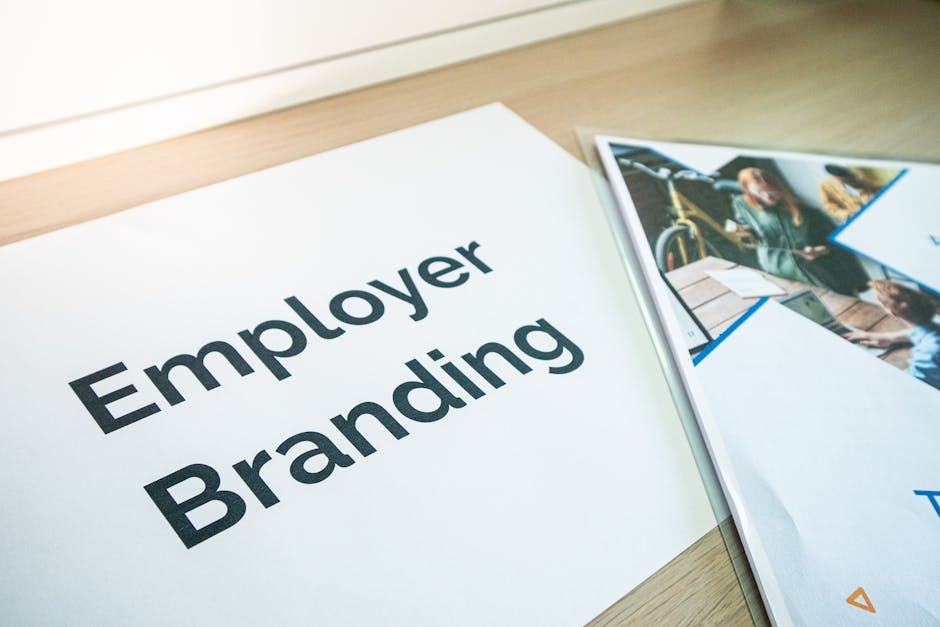
Een team dat samenwerkt met behulp van geavanceerde HR-tools voor hogere medewerker betrokkenheid en tevredenheid.

Maximizing Employee Engagement with Advanced HR Tools

In today’s competitive business environment, maximizing employee engagement is essential for fostering a motivated and productive workforce. Advanced HR tools have transformed traditional human resource management by introducing innovative solutions that streamline processes and enhance employee satisfaction. One such innovation is the MELP dashboard, a comprehensive employee engagement platform that integrates various HR functions into a single, user-friendly interface. This dashboard provides real-time insights into employee sentiment, performance, and participation, enabling HR professionals to tailor strategies that boost morale and retention effectively.

Integrating Personalised Benefits for Greater Impact

Employee benefits are no longer one-size-fits-all. To truly engage a diverse workforce, personalised benefits are becoming a cornerstone of successful HR strategies. These benefits can range from flexible working hours to customized health plans and wellness programs. By leveraging advanced HR tools, companies can analyze employee preferences and needs to design benefit packages that resonate on an individual level, increasing motivation and loyalty.

  • Flexible working arrangements
  • Targeted wellness initiatives
  • Tailored professional development opportunities
  • Corporate gift cards and incentives

Enhancing Internal Communication and Recognition

Effective internal communication is a critical driver of employee engagement. Modern platforms facilitate seamless interaction across departments and locations, ensuring that employees feel connected and informed. Additionally, employee recognition programs have evolved with technology. Incorporating modern employee recognition into daily operations allows organizations to celebrate achievements continuously and publicly, fostering a culture of appreciation and motivation. This approach not only boosts morale but also strengthens employee retention.

Leveraging AI Automation and Support Tools

The integration of AI HR automation and AI intranet chatbot technologies is revolutionizing how HR departments support their employees. These tools help automate routine tasks such as expense reimbursement and salary calculations, freeing HR professionals to focus on strategic initiatives. Furthermore, AI-powered chatbots provide instant support to employees, answering queries related to benefits, policies, and corporate procedures, which enhances the employee experience and reduces administrative burdens.

  • Automated expense reimbursement processes
  • Real-time salary calculator tools
  • 24/7 AI intranet chatbot support
  • Streamlined HR workflows

Addressing the Needs of a Multilingual Workforce

As organizations expand globally, catering to a multilingual workforce has become imperative. Advanced HR platforms now incorporate multilingual support, ensuring that all employees receive clear communication and equal access to HR resources regardless of language barriers. This inclusivity promotes a sense of belonging and respect, which are fundamental to sustained engagement and reducing employee turnover.

Driving Motivation and Retention Through Rewards

Motivation and rewards remain key pillars in maintaining a committed workforce. HR tools that integrate motivation and rewards features enable companies to design effective incentive programs, including performance-based bonuses and recognition awards. Corporate gift cards and other tangible rewards can be seamlessly managed through these platforms, creating a transparent and fair system that encourages continued excellence and reduces employee turnover.

Unlocking the Future of Employee Engagement

Advanced HR tools are not just about automation—they represent a strategic shift towards creating an engaging, supportive, and personalized workplace. By embracing these technologies, companies can enhance internal communication, offer tailored benefits, and implement effective recognition programs that drive employee satisfaction and retention. As workforce expectations continue to evolve, leveraging platforms like the MELP dashboard and incorporating modern employee recognition will be essential for organizations aiming to stay ahead in talent management and employee engagement.